A lot of us keep old identity documents for years. They end up in a drawer with spare keys, takeaway menus and that one cable nobody can name. The intention is harmless, yet expired ID still carries live personal details. A passport number, a licence address, even a scanned signature can help a stranger pass basic check.
Australian authorities treat identity theft as a real risk, not a far-fetched worry. So, it’s worth having a clear approach for what you keep and what you destroy.
Keep, Return, or Destroy
Start with one question: do you still need the document for a proper reason?
Keep it if it holds information you may need later (old visas, travel stamps, proof of name changes). Store it securely at home.
Return it if the issuer asks for it back. Rules differ by document and state, so check when you replace a card due to loss or suspected fraud.
Destroy it when it no longer serves a purpose. “Just in case” turns into permanent clutter surprisingly fast.
Passports: Missing Is More Serious Than Expired
Many Australians keep cancelled passports as travel records. That can be sensible, as long as you store them like a current passport.
Loss is the bigger issue. If you report an Australian passport lost or stolen, it is cancelled and can’t be used again, even if you later find it. If an old passport disappears during a clean-up, treat it as a reportable loss, not an inconvenience.
Read More :The Definitive Checklist for Vetting Any SaaS Marketing Agency
When you dispose of a cancelled passport, destroy the parts that matter:
- Cut through the photo page and document number
- Cut the machine-readable zone (the two lines of text at the bottom of the ID page)
- Slice into the cover to damage the chip (newer passports store it in the cover)
Put the pieces in separate rubbish bags, and don’t drop them all into the same bin on the same night if you can avoid it.
Licences and Cards: Don’t Rely on A Quick Snap
A driver licence is a high-value ID because so many services accept it as primary identification. Snapping the card once can leave the licence number and address readable on a single piece.
Cut the card into several pieces, aiming for the photo, signature, barcode or stripe, and the licence number. Do the same for Medicare and concession cards. Small cards feel low-stakes, yet they can still reveal reference numbers and family details.
This is also where people forget the digital trail. Check your phone photos, downloads folder, email attachments and cloud storage for scans of ID, then delete them and empty the “recently deleted” folder.
About halfway through a big clean out, paper usually becomes the main problem. Rental applications, old job paperwork, bank letters, photocopies of passports. A local paper shredding service Sydney can help when you have a box of records and a home shredder that keeps jamming.
Paper Records: Shred What You Don’t Need
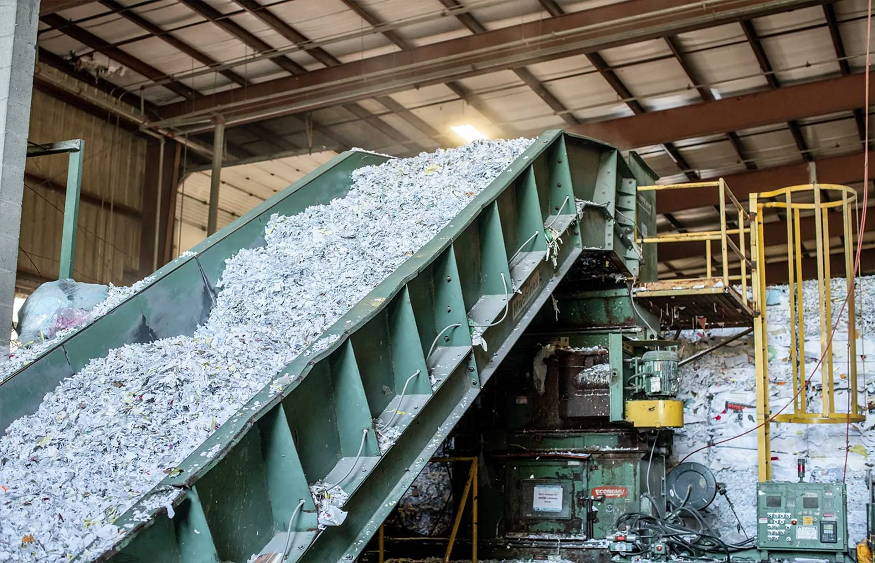
Most identity exposure comes from paper, not plastic. If you only have a small stack, a cross-cut home shredder is fine. If you have years of files, a professional document shredding Sydney option is often safer and more realistic than “I’ll do it later”.
Read More :Why Hiring a SaaS Marketing Agency Is the Smartest Move for Your Business
If you work from home or run a small business, secure disposal matters even more. Australian privacy guidance points to reducing harm by disposing of personal information safely when it’s no longer required.
Do’s and Don’ts at a Glance
| Do | Don’t |
| Cut through the photo and key numbers on cards and passports | Put intact ID in recycling |
| Shred photocopies and application packs | Tear paper once and assume it’s unreadable |
| Report a missing passport promptly | Store old IDs in a car or office drawer |
When a Shredding Service Makes Sense
Professional destruction isn’t only for corporations. It’s useful when you live in an apartment, when you have volume, or when you want material destroyed without a long storage period.
A Sydney document shredding service can handle household paperwork and, in some cases, provide confirmation of destruction. For people who prefer on-site handling, mobile document shredding Sydney services destroy paper at your location, which reduces the time documents spend in transit. Providers may describe this as document destruction Sydney, especially where they use locked consoles or secure collection processes.
Final Sweep Before You Call It Done
Plastic cards with embedded chips need more than a neat cut. Aim for the chip area and make small pieces, not a few big ones.
Then do a last search on your devices for “passport”, “licence” and “ID”. This simple step often finds the forgotten scan you emailed to yourself three years ago.
Safe disposal is mostly routine. Keep what you genuinely need, lock it away, and destroy the rest properly. If you want the added certainty of on-site destruction, mobile shredding Sydney can be a sensible final step.